
Discover our top 21 most popular classic book recommendations with their modern-day companion book pairing.
It’s hard to believe that we've sent out 100 classics newsletters. Time flies when you are reading something you enjoy! We pulled together the top 21 most popular classic books featured in our newsletters along with their modern-day companion.
#21
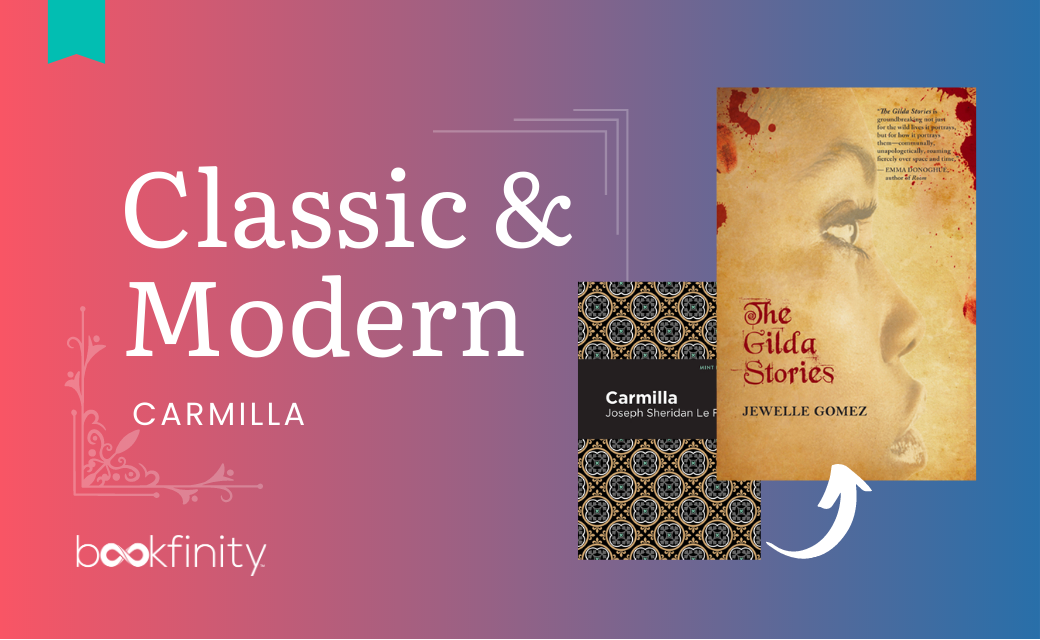
Carmilla by Joseph Sheridan Le Fanu
In 1872, Joseph Sheridan Le Fanu wrote a story that would later inspire the creation of the world’s most famous vampire, Dracula. This story is Carmilla. Written 26 years before Bram Stoker created Dracula, Carmilla is considered one of the first vampire novels. It helped establish many of the elements of lore that we associate with vampires today.
#20
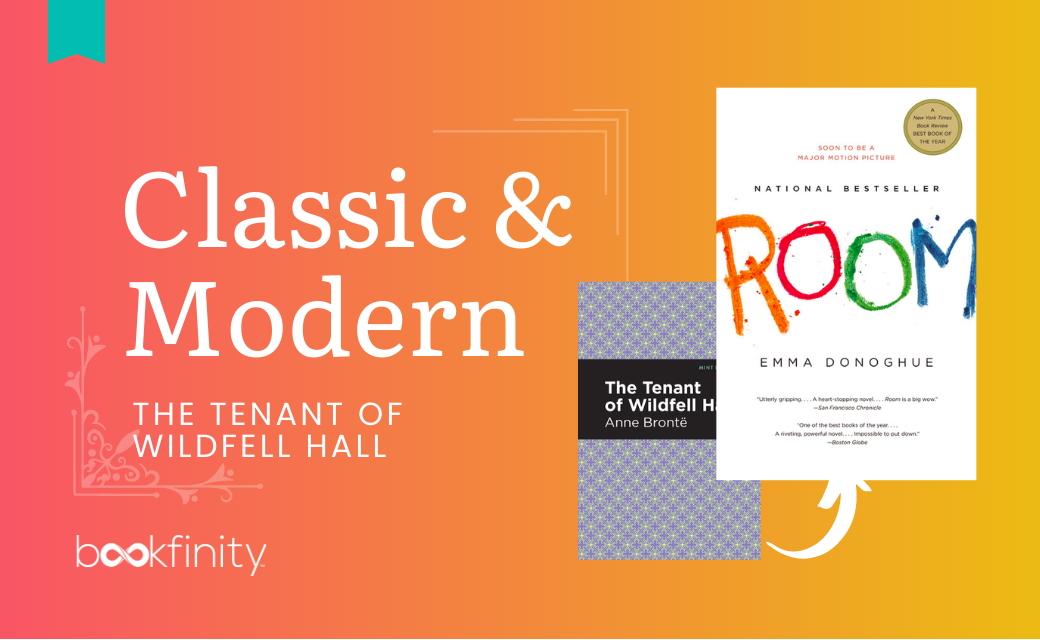
The Tenant of Wildfell Hall by Anne Brontë
While the author of this week's classic selection may not have the fame that her older sisters had, The Tenant of Wildfell Hall's famous protagonist, Helen Graham, is considered one of the most significant feministic mothers in literature.
#19
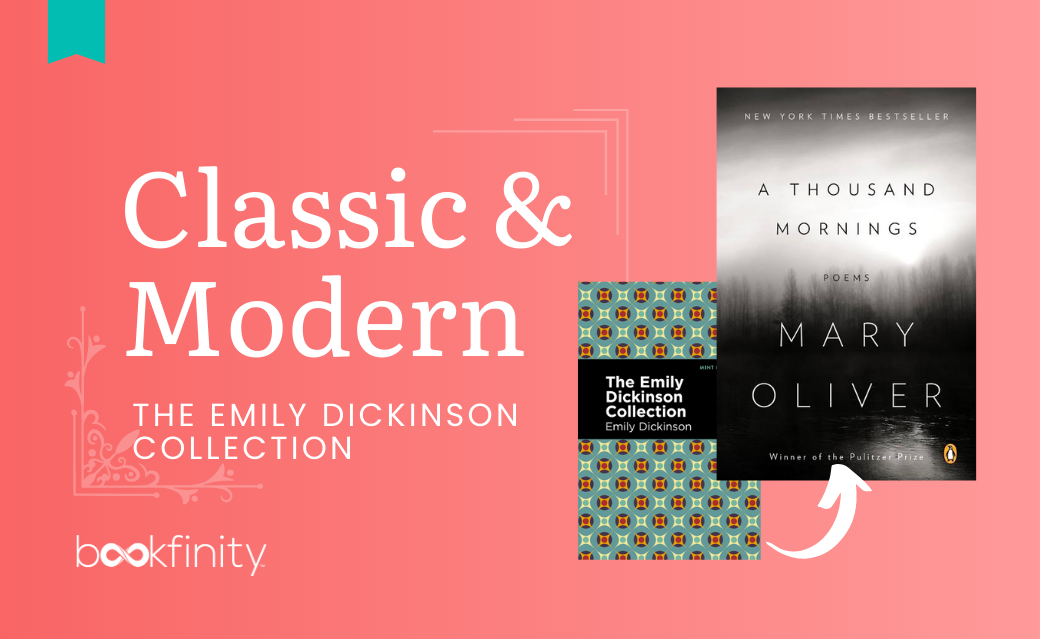
The Emily Dickinson Collection by Emily Dickinson
Emily Dickinson is one of America's best-known poets. Her short but powerful poetry has inspired writers and readers for ages. While she was considered a recluse during her life, she was always a keen observer. Dickinson wrote on love, life, death, self-identity and nature. She wrote what she knew and showed her readers how beautiful even the small things could be.
#18
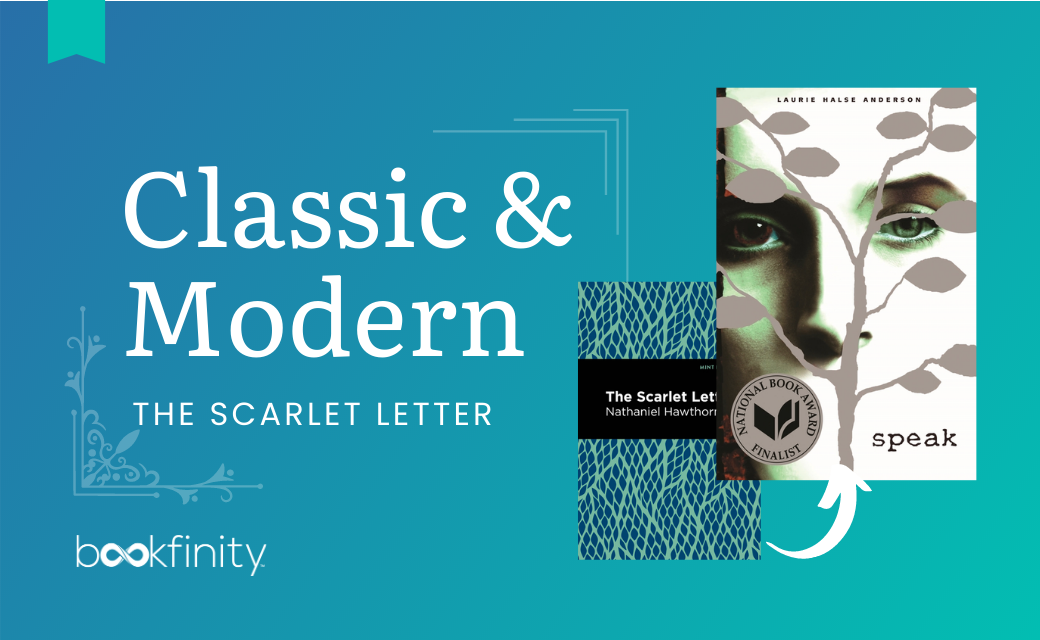
The Scarlet Letter by Nathaniel Hawthorne
Nathaniel Hawthorne’s classic novel explores the theme of social stigma. In Puritan Boston, Massachusetts, Hester Prynne finds herself in the middle of a scandal. She has given birth to a daughter long after she lost her husband at sea. As punishment for her immoral act, she is forced to wear a red A on her clothing and suffers public shaming and exclusion from her local society. Hester and her mysterious lover’s lives are driven to extremes because they have no support from the community.
#17
An American Tragedy by Theodore Dreiser
In 1906 a woman named Grace Brown was murdered by Chester Gillette. The murder trial was all over the newspapers, and the guilty verdict led to his death sentence. This trial inspired Theodore Dreiser's novel, An American Tragedy.
#16
A Portrait of the Artist as a Young Man by James Joyce
Regarding classic writers, James Joyce has a couple of famous yet controversial (i.e. banned) novels under his name. Known for his deep look into the lives of his protagonists and the worlds they live in, Joyce paints a detailed picture of Dublin in the early 1900s.
#15
The Adventures of Pinocchio by Carlo Collodi
If you tell a lie – your nose will grow. That’s the story that Disney’s insanely popular adaptation made us believe in 1940. Disney’s popular adaptation was slightly different from Collodi’s serialized story turned novel. You could note the changes needed to the scenery to release an American film about an Italian Puppet when it hit a theatrical release in 1940.
#14
The Age of Innocence by Edith Wharton
The main character struggles with their expectations from society and passion for the person they love.
How many movies or books just ran through your head? One of the seven common literary conflicts, character vs. society, is frequently found in fiction. It can vary from a dystopian level crisis to one more based on societal expectation like the one appearing in this Pulitzer-winning classic (the first won by a woman), The Age of Innocence.
#13
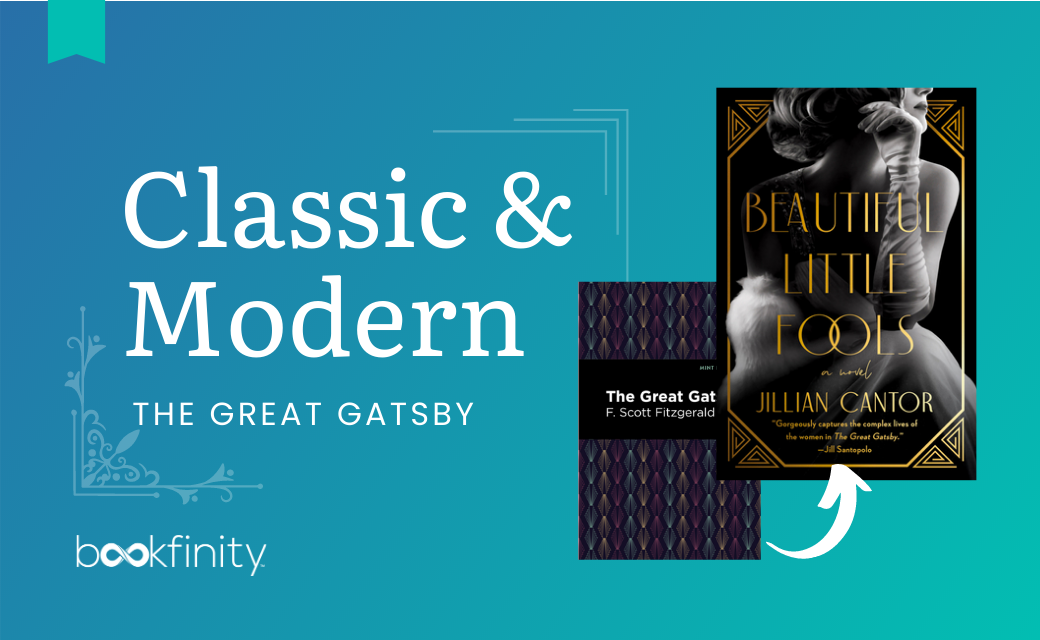
The Great Gatsby by F. Scott Fitzgerald
This week, we had a first! We picked our classic based on what we wanted to feature as its modern companion. The highly anticipated reimagining of The Great Gatsby, Jillian Cantor's Beautiful Little Fools, debuts tomorrow and puts the women of the book at center stage. If you are just as excited as we are about this reimagination, then it may be time for a reread of the book considered as "The Great American Novel."
#12
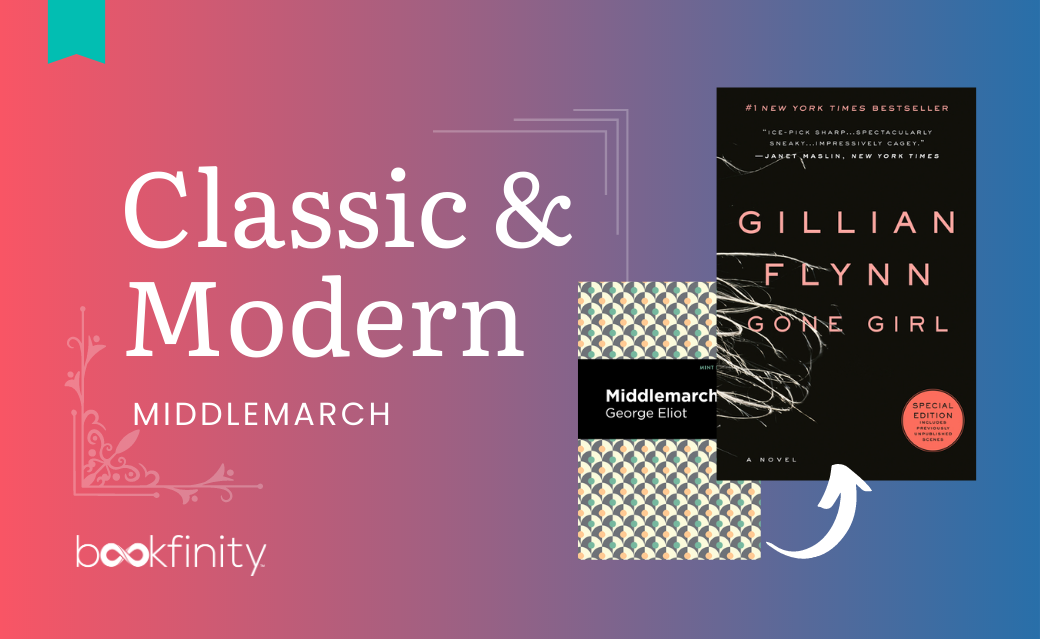
Middlemarch by George Eliot
"If you really read this novel, you will find out about yourself." In 2015, Michael Gorra wrote a piece for the BBC claiming George Eliot's Middlemarch was the most remarkable British novel, using the sentence above as justification. Many modern critics agree with the statement as the story is almost a study in balancing a narrator's perspective with other lives they intertwine with, all while Eliot was throwing in her own comments, questions, and empathy to the other characters in the view.
#11
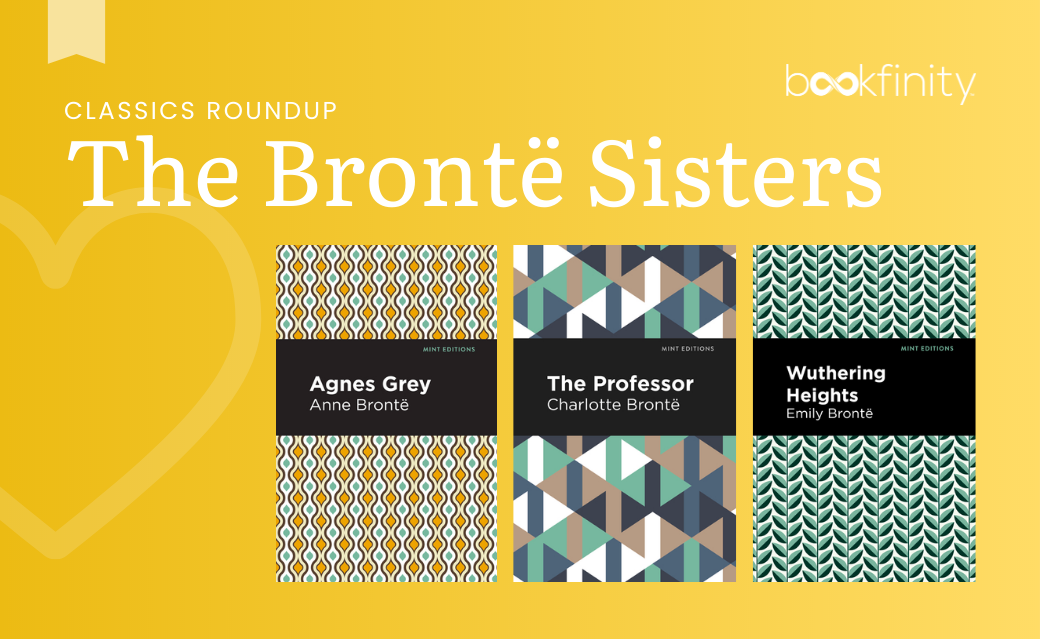
The Brontë Sisters
We’re celebrating “National Sisters Day” by reading the Brontë sisters. Maybe you chose to read them primarily because the books were intentionally open-ended. If you reread the stories, you may pick up something completely new. Or perhaps you read them because of the stories’ abilities to comment on societal standards and transcend the time of publishing. These women wrote coarsely and over uncomfortable subjects. Still, they always had an important lesson, like Jane Eyre’s focus on being authentic in a society that didn’t want you to do that.
#10
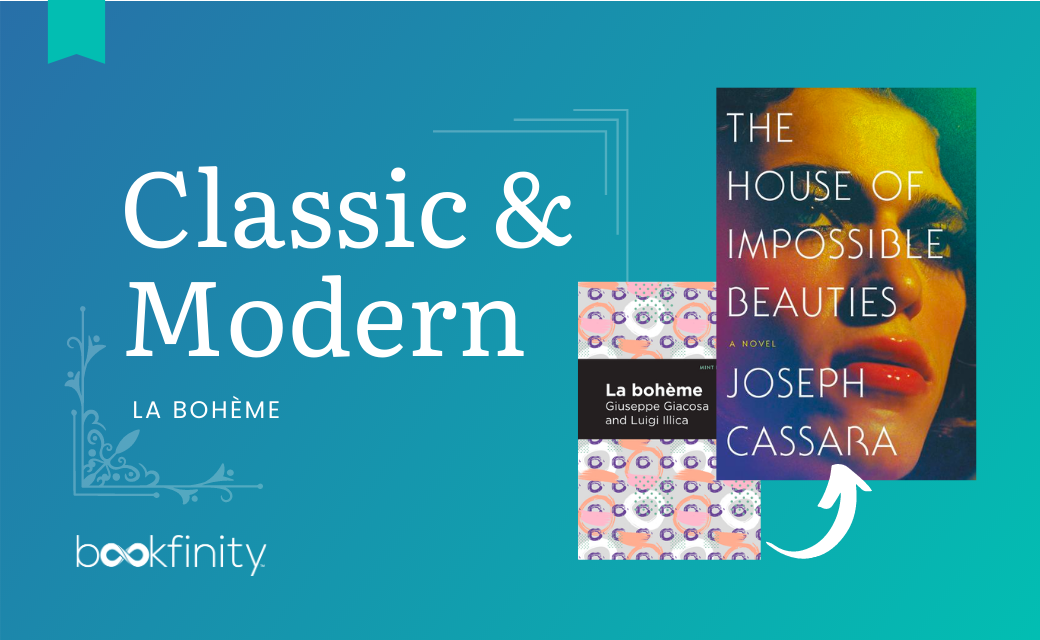
La Bohème by Giuseppe Giacosa and Luigi Illic
If you’ve seen the musical Rent, the plotline may sound familiar. Rent is loosely based on this week’s classic selection La Bohème, the libretto written by Giuseppe Giacosa and Luigi Illica. Historically, La Bohème is considered one of the earlier attempts to move opera away from the Kings and Queens to more relatable characters. La Bohème is an insanely popular opera – some even call it the “first opera to watch if you’re new to opera” because of the main criticism surrounding it – it’s a simple story.
#9
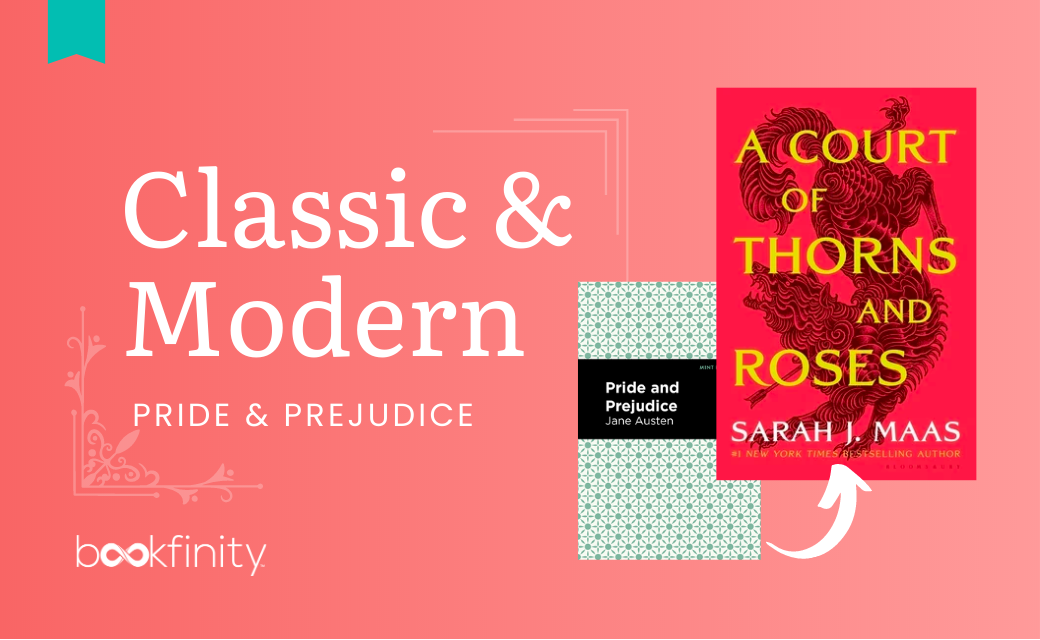
Pride and Prejudice by Jane Austen
Jane Austen was a master writer. Pride and Prejudice was a high comedy where she satirized the upper-class society and domesticated literary tropes that had only appeared in old English, Roman, and Grecian texts before the novel’s publication date. Austen created relatable characters who had lovable, laughable, and sometimes despicable traits and provided them witty banter or powerful declarations of love that continues to resonate with modern readers.
#8
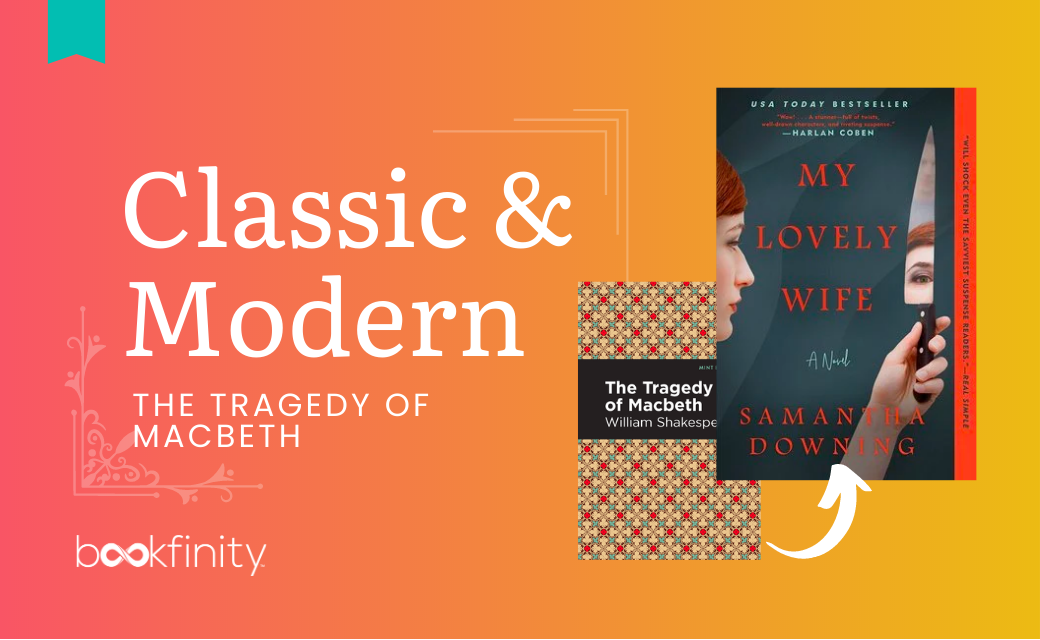
The Tragedy of Macbeth by William Shakespeare
Shakespeare wrote Macbeth to reflect what was happening politically and introduced the entertainment industry to the complexity and ambiguity of morality. Macbeth is a powerhouse tragedy, it's no wonder that many reference lines from the play in their works or play with crucial traits these villains had.
#7
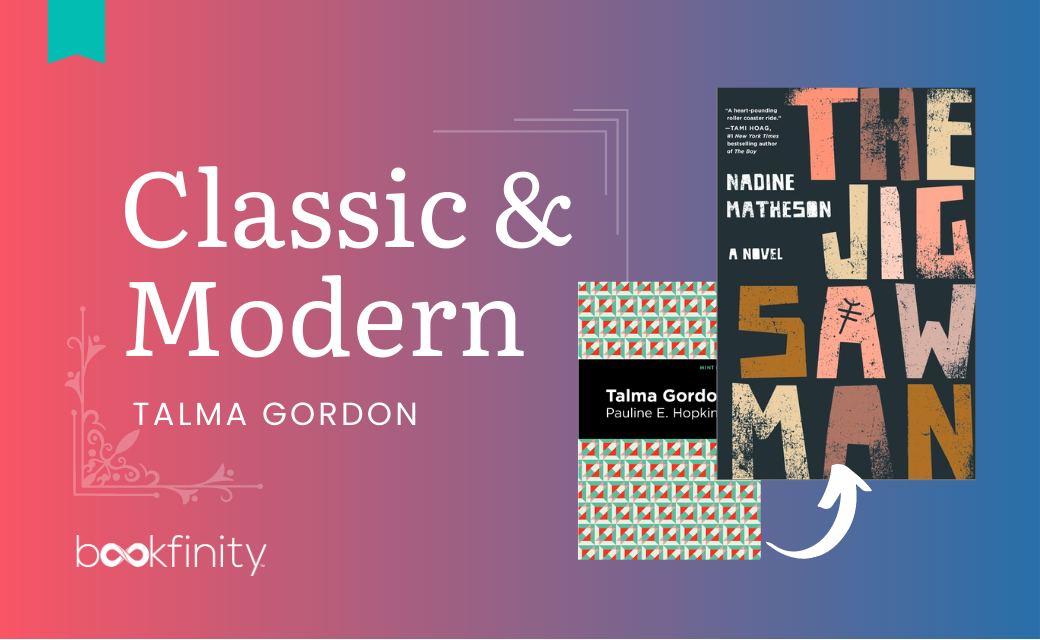
Talma Gordon by Pauline Hopkins
Pauline Hopkins was a powerhouse writer. Not only was she considered one of the great writers of horror, mystery, and science fiction novels, she was a highly skilled playwright, orator, and political activist. We are reading Pauline Hopkins’ short mystery, Talma Gordon. This mystery was unlike any mystery of the time – taking place mostly in the courtroom after the action.
#6
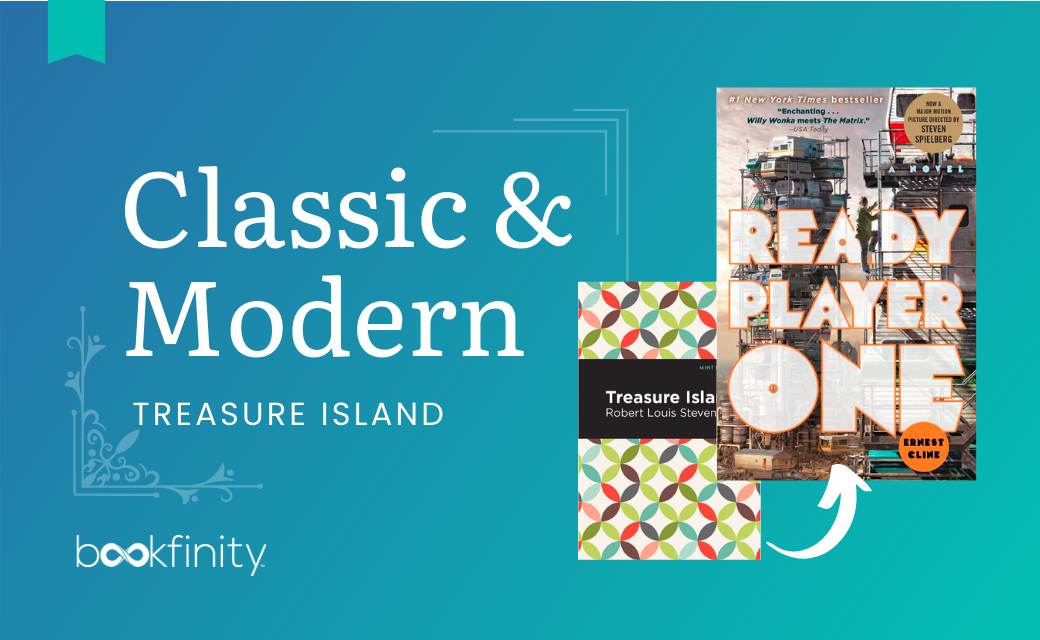
Treasure Island by Robert Louis Stevenson
Robert Louis Stevenson’s Treasure Island is a story that follows a young boy who is given a treasure map after a chance encounter with a pirate. He goes on a quest and discovers that survival on the sea requires every bit of cunning and bravery he has. This classic read introduces us to one of the greatest literary characters of all time, the charming, yet dangerous Long John Silver.
#5
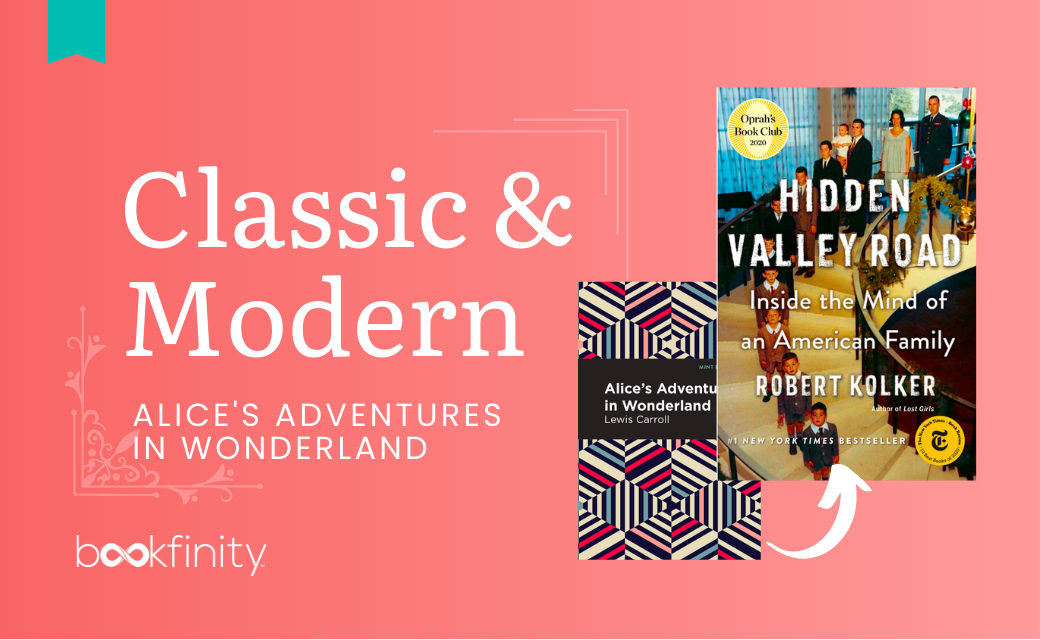
Alice's Adventures in Wonderland by Lewis Carroll
Lewis Carroll's Alice's Adventures in Wonderland has made a notable influence on society for its impact on medicine and the destigmatization of mental disorders. Originally deemed a children's book, the story evolved into a study of neurological disorders
#4
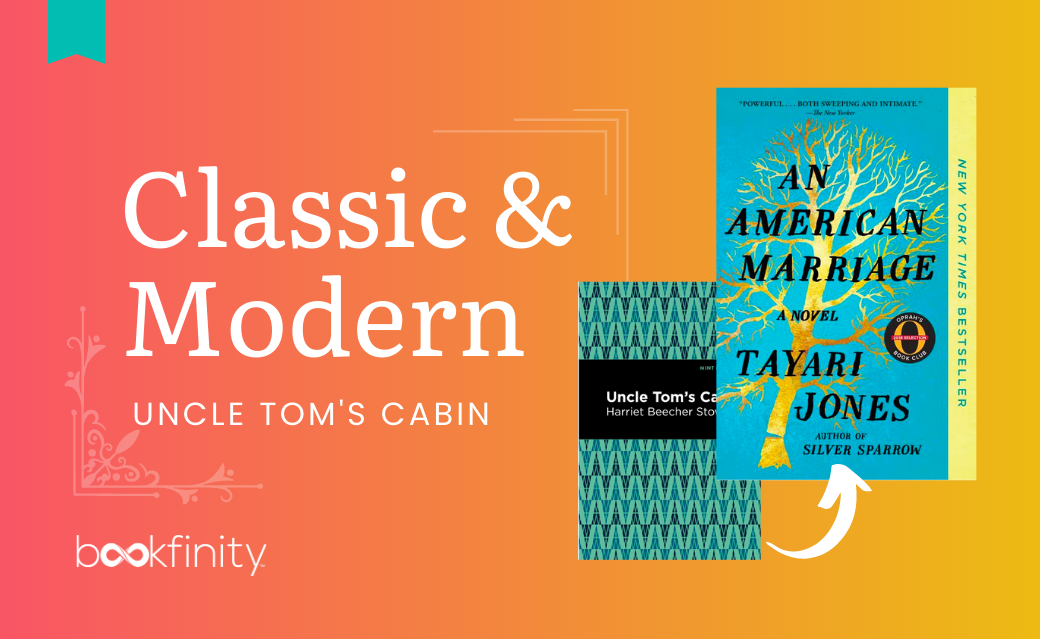
Uncle Tom's Cabin by Harriet Beecher Stowe
When Uncle Tom's Cabin was first published - though it was insanely popular - it was heavily criticized. Critics, trying to capitalize on the success but not wanting to fully align with the book, created theatrical performances of the story and completely changed Uncle Tom to a subservient man who would throw others down to save his own life, opposite of Ms. Stowe's Uncle Tom. The real Uncle Tom sacrificed himself to save the life of two women. Unfortunately, the popularity of those performances influenced more of society, leading to the phrase "Uncle Tom" as a derogatory term for being a "traitor to your race."
#3
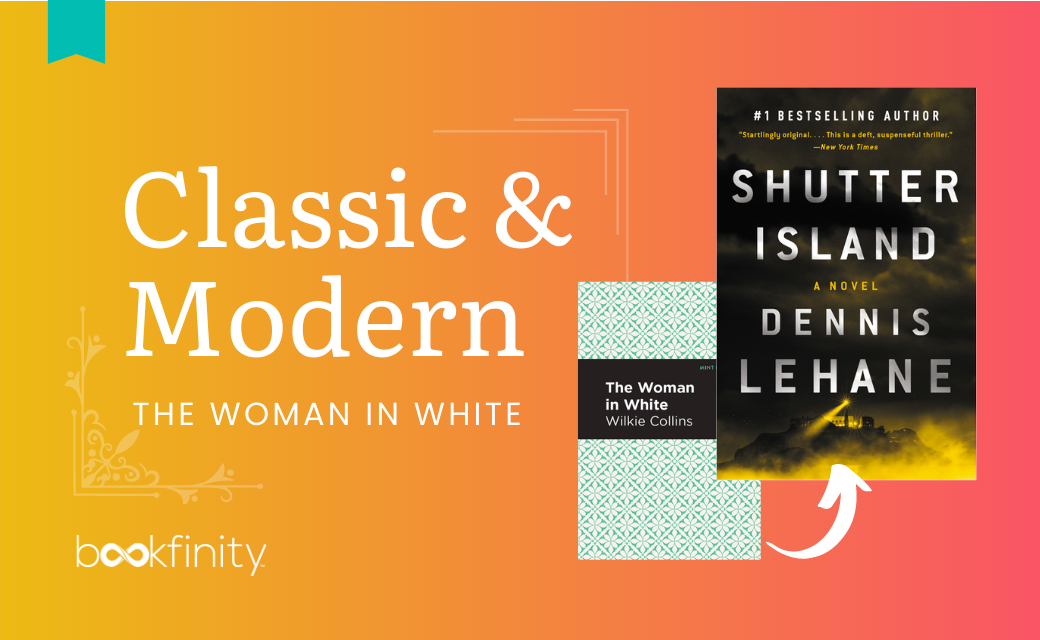
The Woman in White by Wilkie Collins
CrimeReads described the influence of The Woman in White (published in 1859) best as “the common ancestor to crime, thriller, and suspense novels.” Wilkie Collins became a grandfather of thrillers for his traditional use of plot twists and reverse expectations.
#2
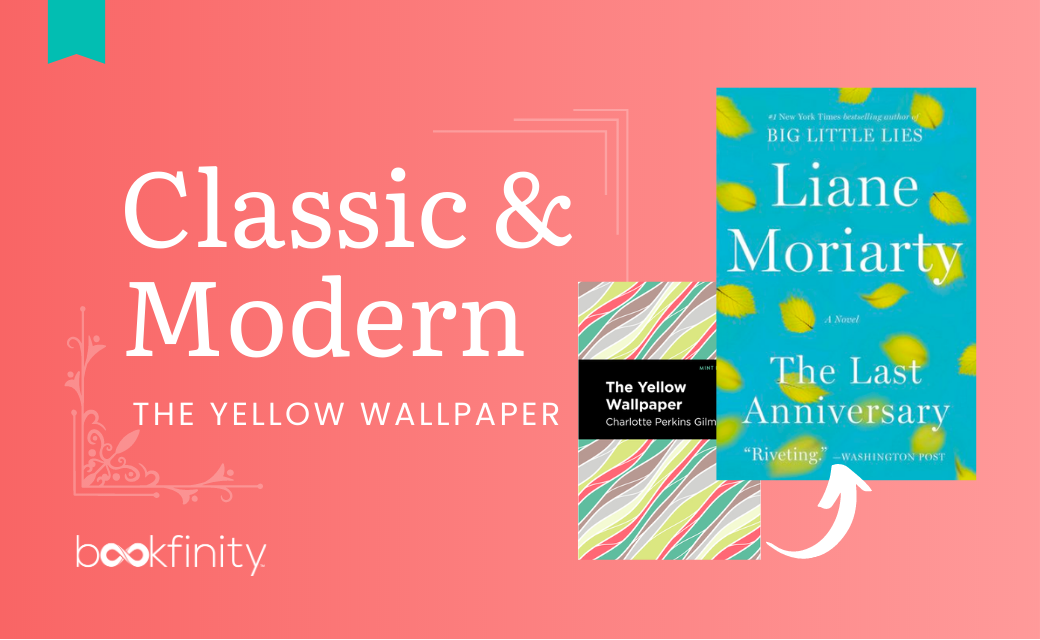
The Yellow Wallpaper by Charlotte Perkins Gilman
In 1892, Charlotte Perkins Gilman’s landmark feminist fiction gripped readers as a true gothic horror story. The Yellow Wallpaper follows a narrator suffering from what is now known as post-partum depression and anxiety while trying to maintain the appearance of a perfect life.
#1
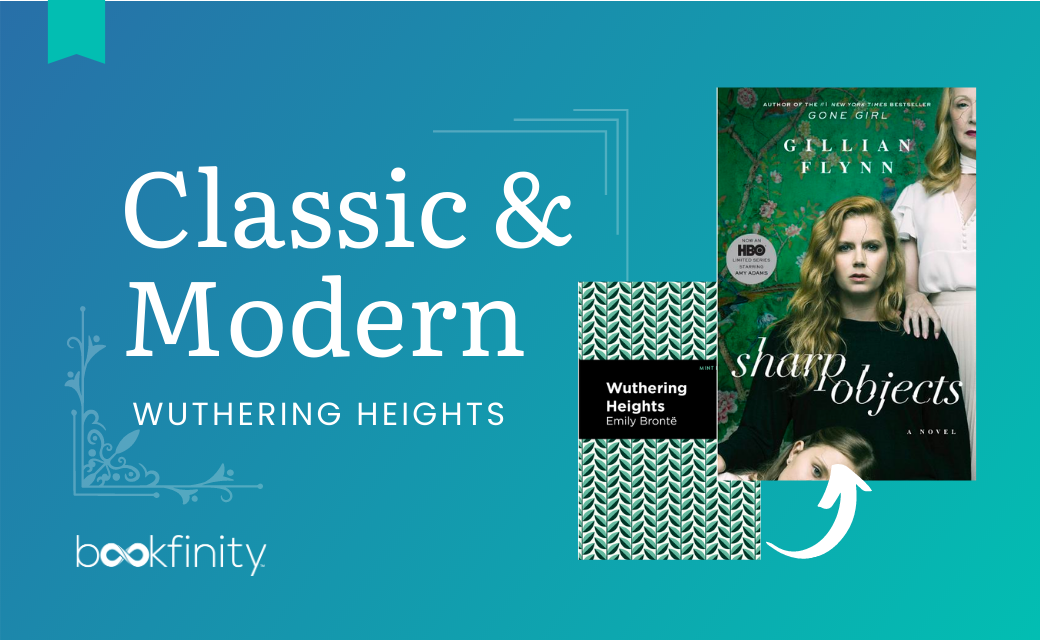
Wuthering Heights by Emily Brontë
Wuthering Heights brought us two of the most memorable literary characters of all time. While the novel is a classic love story, this relationship is turbulent at best.
Want more classics? Sign up for our newsletter.